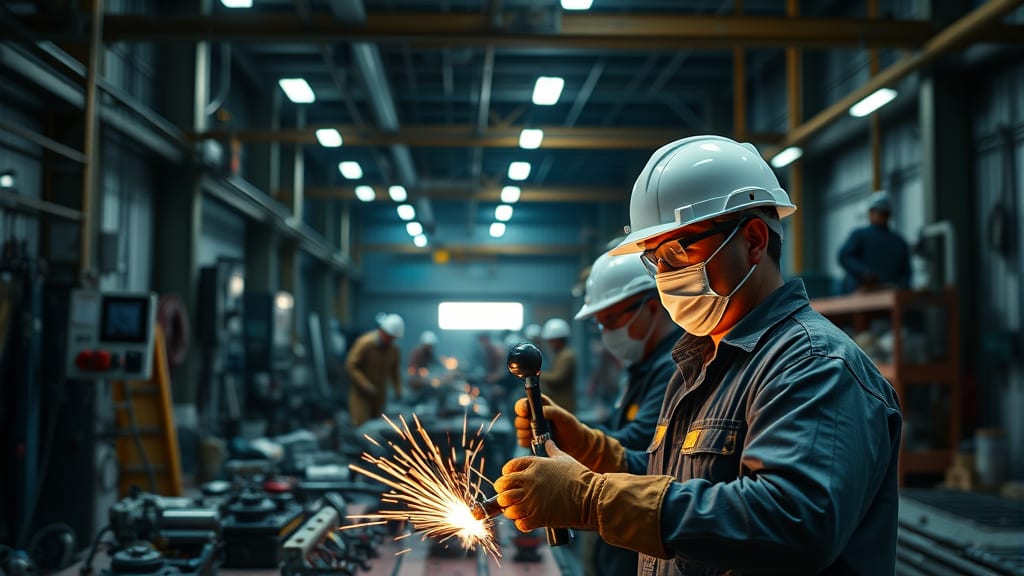
ROI-Focused Guide to Skilled Trades Training Amid AI Workforce Shortage
Introduction
The skilled trades industry in the USA faces a critical workforce shortage, exacerbated by the rapid rise of AI and automation. Despite technological advancements, hands-on trades remain irreplaceable, creating unprecedented opportunities for those willing to invest in training. This guide explores the ROI of skilled trades training, the role of AI in reshaping the industry, and how to navigate the current labor gap.
Current Challenges in Skilled Trades
The demand for skilled trades workers continues to outpace supply. Facilities Dive reports talent shortages across industries, while Scholarship America highlights the urgent need for workers to support data centers powering the AI revolution. Key challenges include:
- An aging workforce with insufficient replacements
- Misconceptions about trade careers being low-paying or obsolete
- Limited access to training programs in underserved areas
Google and Meta have responded by investing $50 million and more in training initiatives, signaling the private sector's recognition of this crisis.
The Role of AI in Skilled Trades
AI is transforming trades but not replacing them. Jobs requiring physical dexterity, problem-solving, and adaptability—like electricians, plumbers, and welders—remain secure. AI tools assist with tasks like predictive maintenance or blueprint analysis, but human expertise is irreplaceable for:
- Complex installations
- Safety-critical inspections
- Custom fabrication
America's Workforce Academy and similar programs now integrate AI literacy into curricula, preparing workers for hybrid roles.
Training Programs by Major Companies
Several initiatives offer fast-tracked pathways to high-paying careers:
- Google's $50 Million Initiative: Funds apprenticeships in HVAC, electrical, and renewable energy trades.
- Meta's Workforce Academy: Partners with community colleges to offer certifications in infrastructure trades.
- Winthrop University's Cosmetology & Barbering Program: A 12-month program with a $35,960 median salary outcome.
Source: Verified TradePathUSA.com government records
For state-specific opportunities, explore our Massachusetts trade salaries guide or California apprenticeship funding.
How to Get Started
- Research Local Programs: Use our state hub pages to find training near you.
- Apply for Funding: Government grants like the $145M apprenticeship program can offset costs.
- Leverage AI Tools: Familiarize yourself with industry-specific software to boost employability.
FAQ Section
What 3 jobs will not be replaced by AI?
Electricians, plumbers, and welders are considered AI-resistant due to their reliance on physical skills and situational judgment.
How long does trade training take?
Programs like Winthrop University's cosmetology course take 12 months, while apprenticeships typically last 2-4 years.
What’s the average salary for skilled trades?
Median wages range from $35,960 for cosmetologists to over $60,000 for experienced electricians.
Are there age limits for apprenticeships?
Most programs accept applicants 18+, with no upper age limit.
Conclusion
The skilled trades shortage presents a generational opportunity. With strategic training and awareness of AI's role, workers can secure lucrative, future-proof careers. For more details on funding, visit our guide to $98M in youth training grants.
Don't guess with your future.
See verified trade programs, real salaries, and compare local tuition.
Search National DatabaseExplore Top Trade Hubs